Germany · Bavaria · City Guide
München
Bavaria's calm, monumental capital — beer halls, Bauhaus modernism and a quietly cosmopolitan side that rewards the patient.
Scroll
Bavaria's calm, monumental capital — beer halls, Bauhaus modernism and a quietly cosmopolitan side that rewards the patient.
Discover Munich beyond the tourist trail — hidden cafés, secret corners, local favorites, and unforgettable spots waiting to be explored.
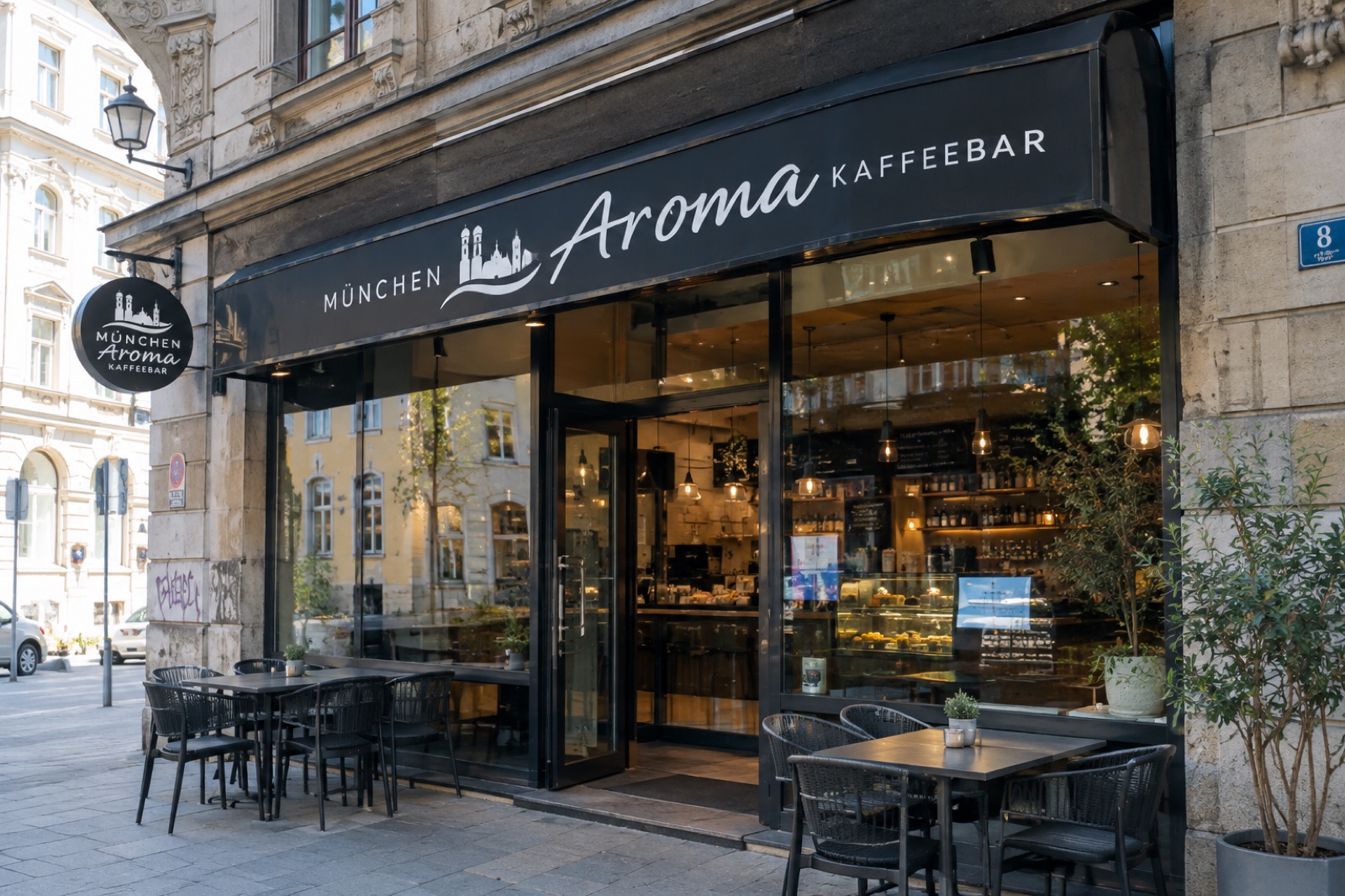
One of the first proper specialty coffee bars in Munich — single origin pours, a small plate menu, and the Glockenbach crowd flowing through from morning to early evening.
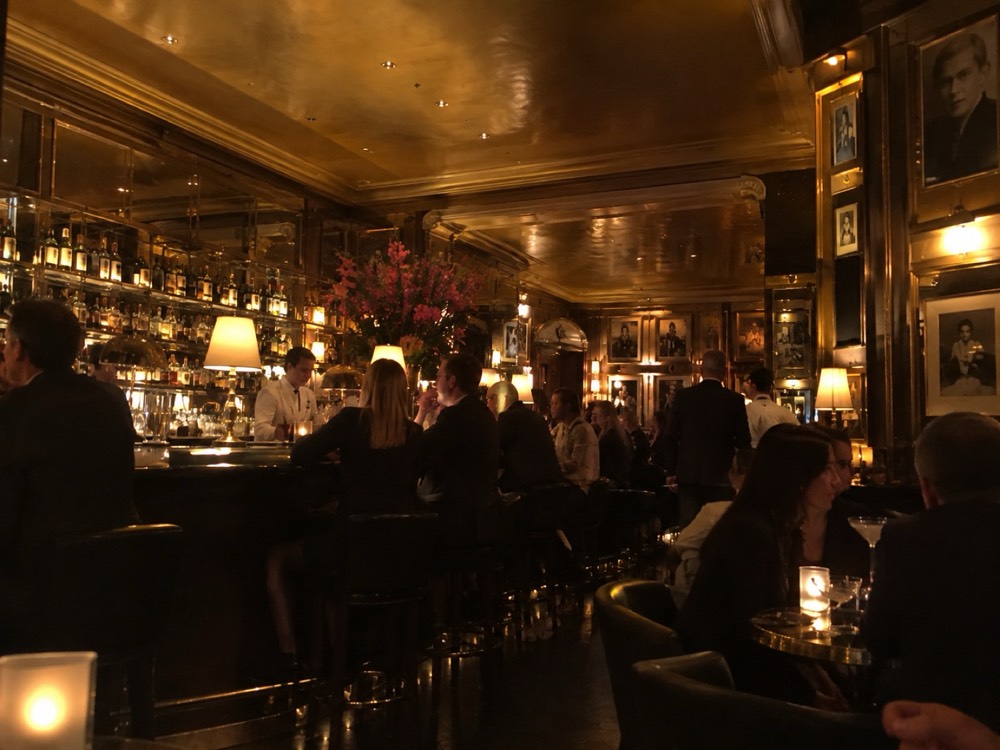
Inside the Haus der Kunst — a 1937 saloon plated in 23-karat gold leaf, a terrace facing the Englischer Garten, and one of the better cocktail menus in town.
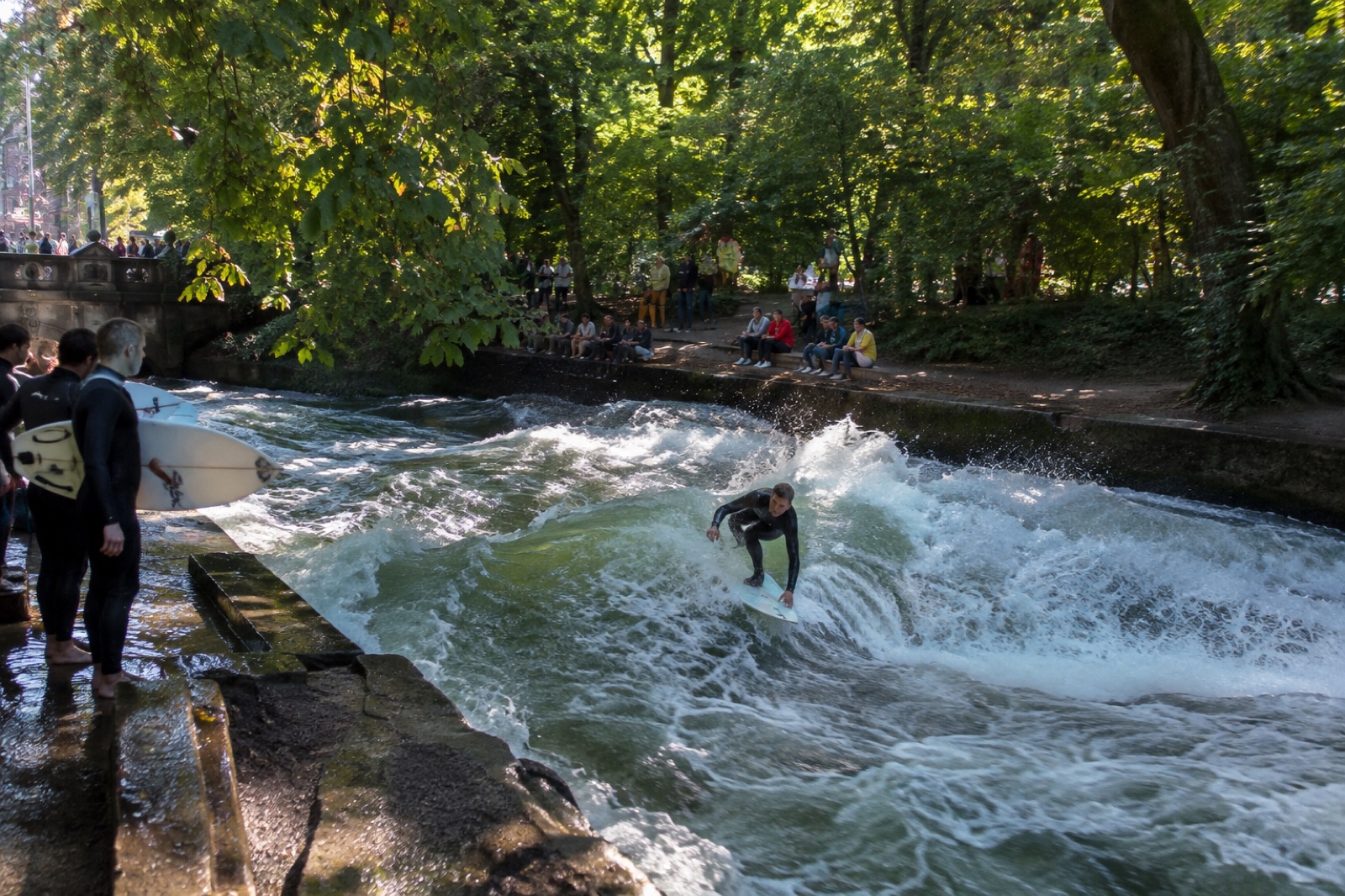
A standing river wave at the southern edge of the Englischer Garten — surfed year-round by Munich locals in wetsuits, watched by everyone else from the bridge.
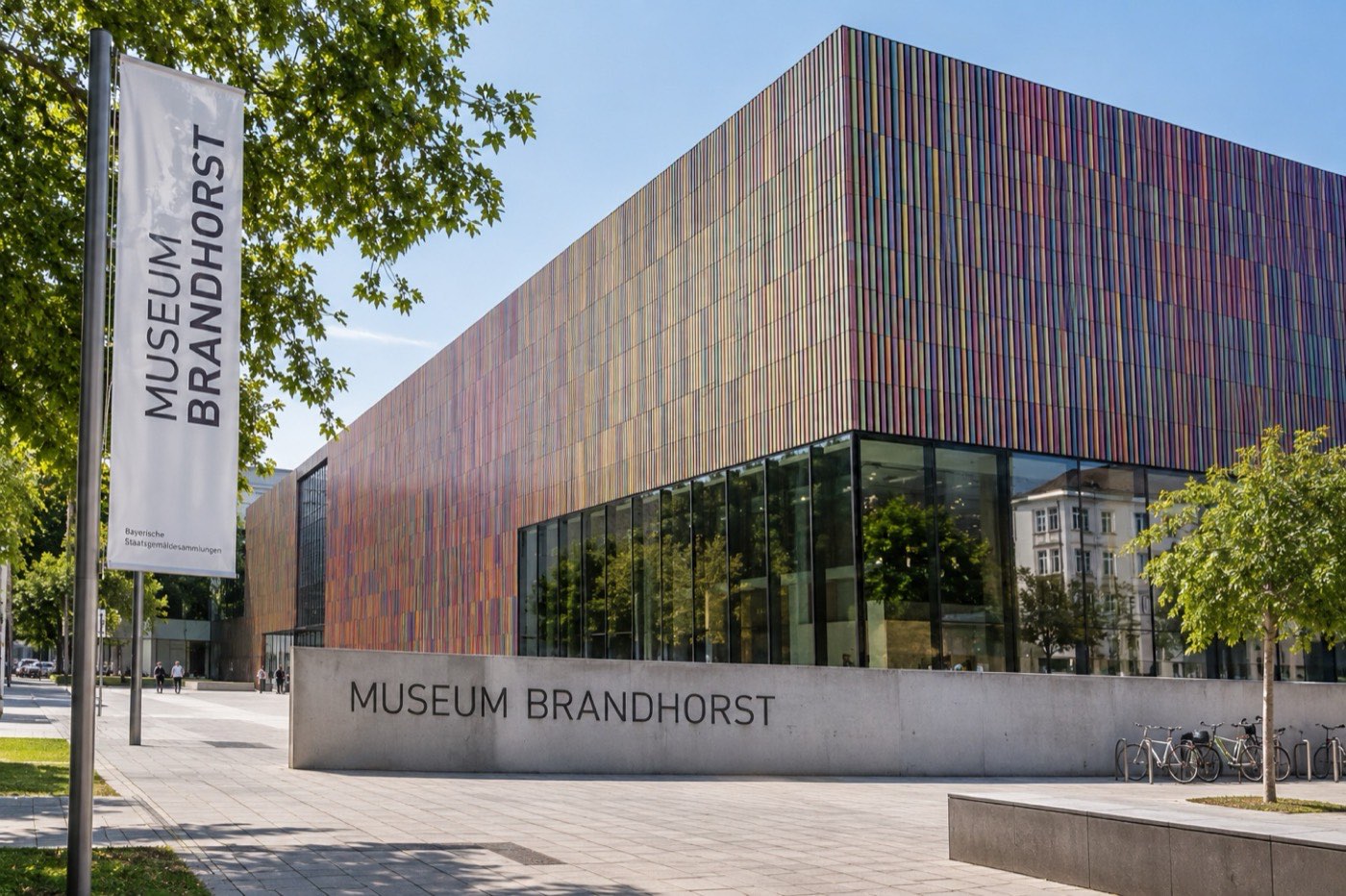
Sauerbruch Hutton's striped facade, 36,000 ceramic rods, and the most rigorous post-1960 collection in southern Germany — Twombly, Warhol, Polke, on permanent view.
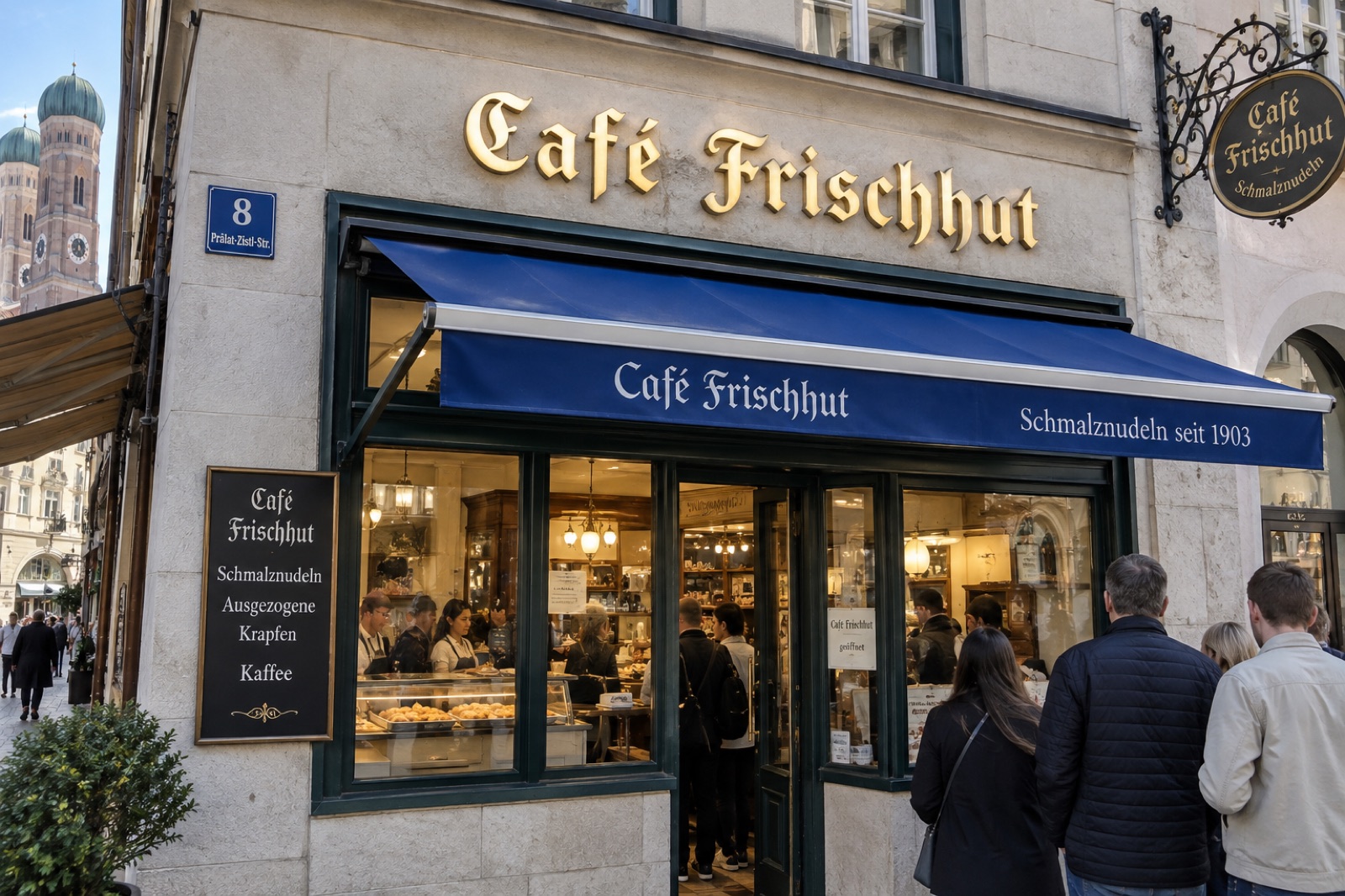
A two-room kitchen at the Viktualienmarkt that has been frying the same four pastries since 1973. Order an Auszogne and a Filterkaffee, sit at a stranger's table.
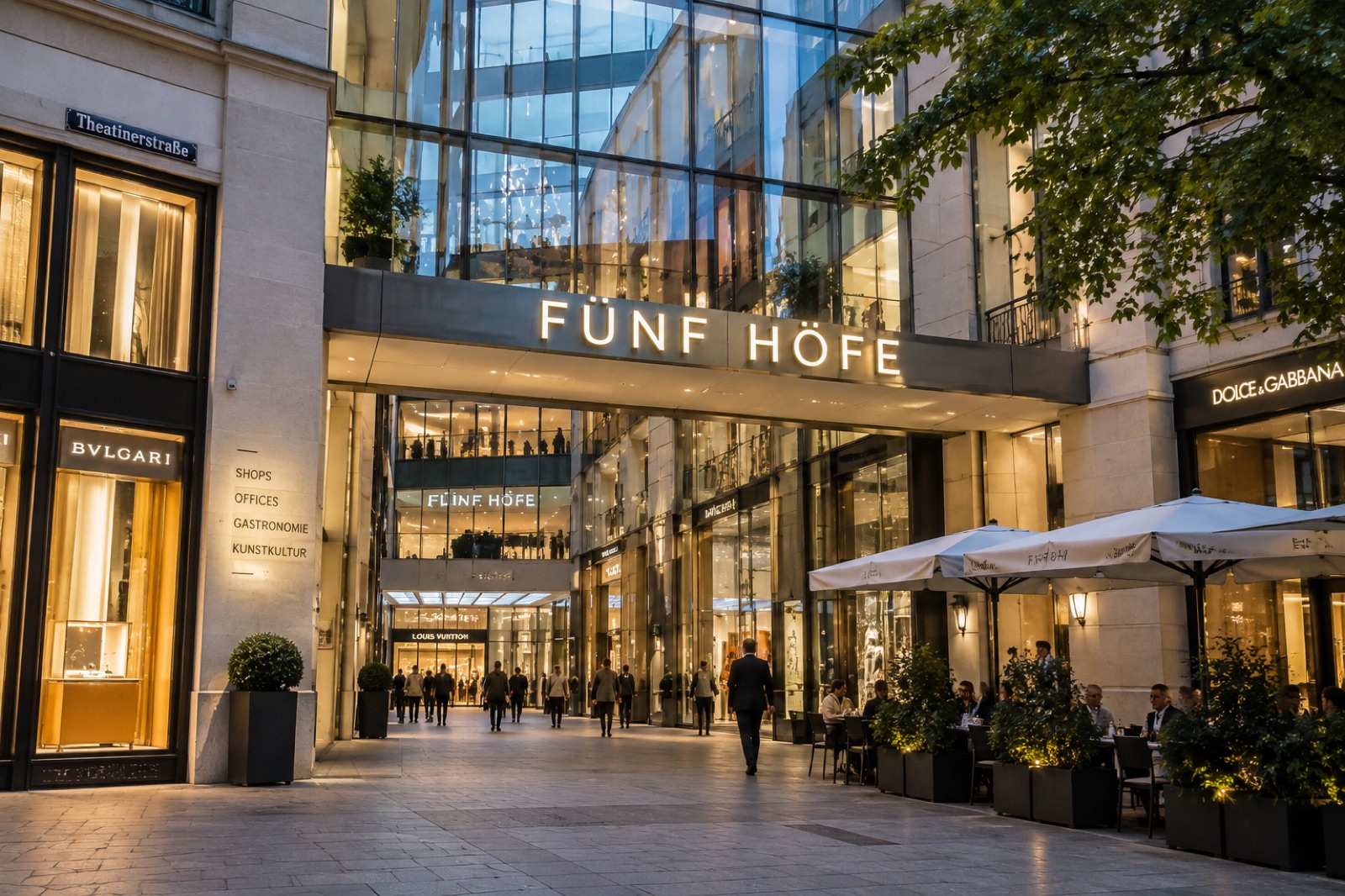
Herzog & de Meuron's quiet masterpiece in the old centre — five connected courtyards with bronze passageways, hanging gardens and shops you'll want to walk slowly past.
Munich rewards a slow reading. These are the pieces that explain the city's quiet confidence — its architecture, its food, the hours that come after midnight.
Maxvorstadt for art, Glockenbachviertel for nightlife, Schwabing for the long Sunday, Lehel for understated old money, Haidhausen for the perfect breakfast. A practical, opinionated walk across the city in eight stops.
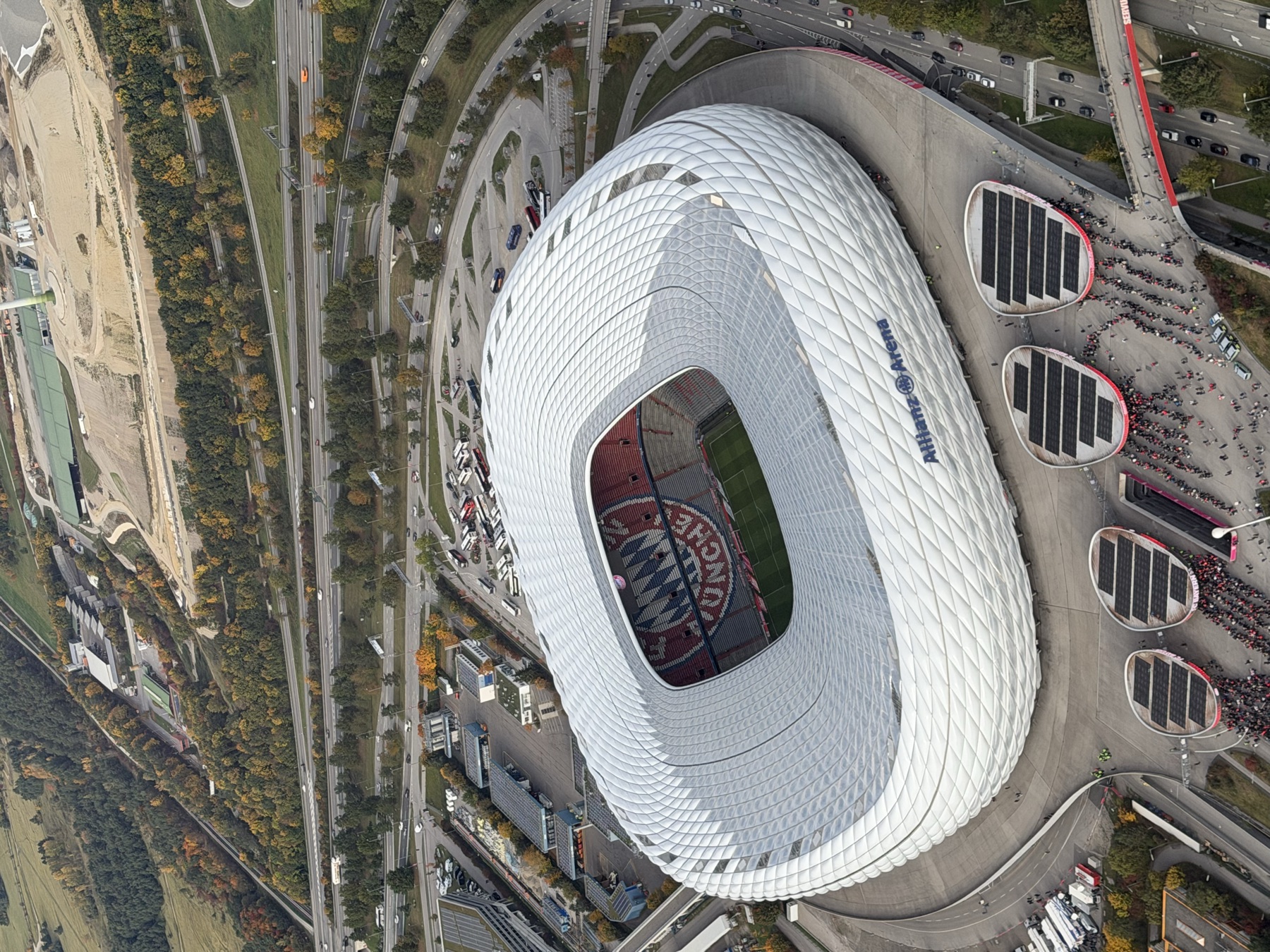
Read moreFrom Frei Otto's Olympic roof to Herzog & de Meuron's Allianz Arena — how postwar Munich quietly built the most consistently good architecture in Germany.
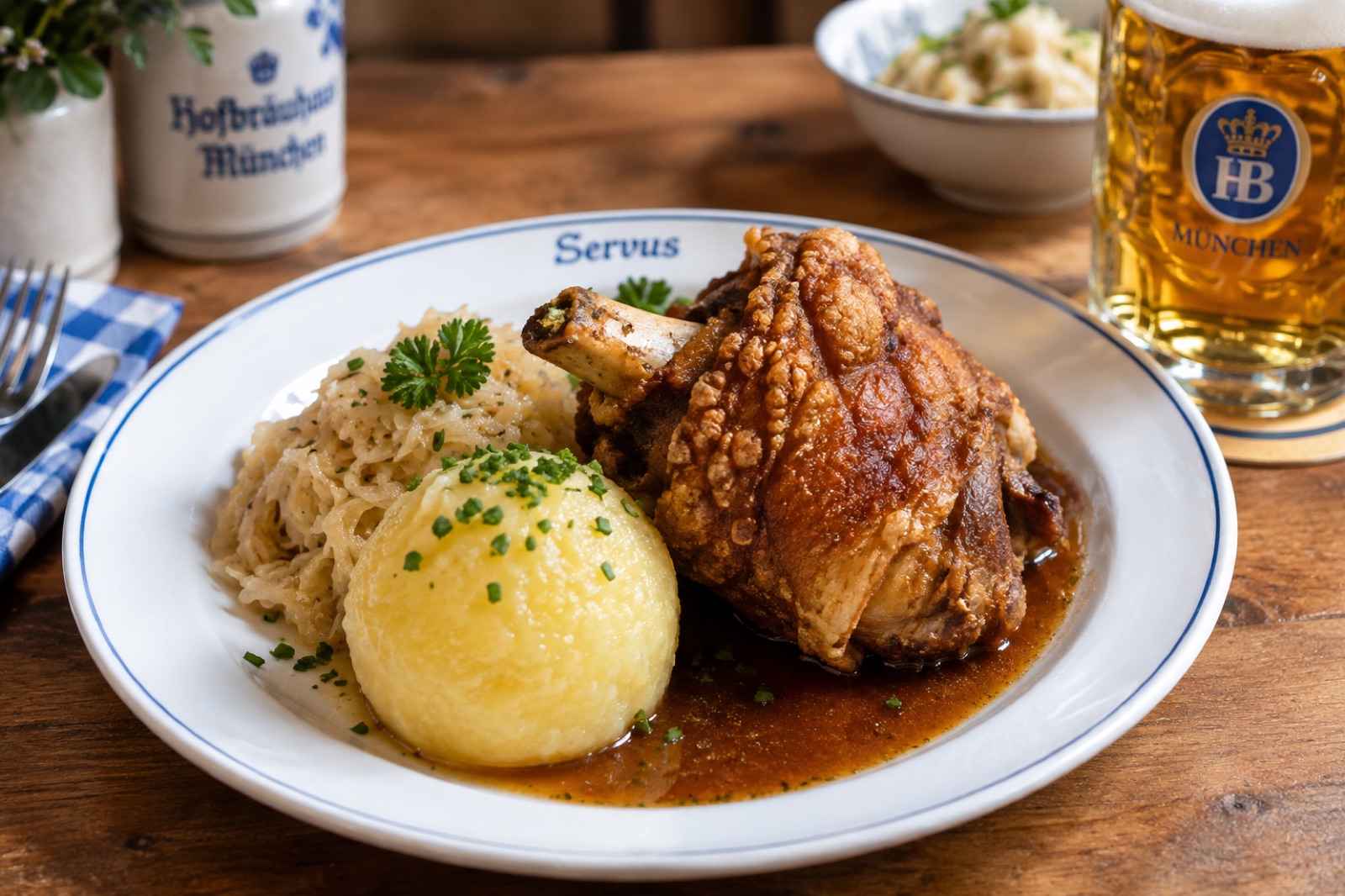
Schweinshaxe is only the beginning. A guide to the new Bavarian — Tantris, Mural, Werneckhof — and to the small kitchens that never made the headlines.
Blitz, Harry Klein, Rote Sonne, Bahnwärter Thiel. A short list of where to actually listen, with a honest take on what each room sounds like.
Breakfast at the Viktualienmarkt, art before noon, a beer garden and the surf wave, golden hour in the Glockenbach — then the night. One route, ten stops, one perfect day.
A one-day itinerary built around the rhythm Munich actually keeps — slow mornings, long lunches in the open air, a golden-hour drink, and a night that ends well after the trams. Below: the full timeline, with how to get between each stop.
Start with an Auszogne and a filter coffee at the Schmalznudel, standing at the counter before the Viktualienmarkt fully wakes up.
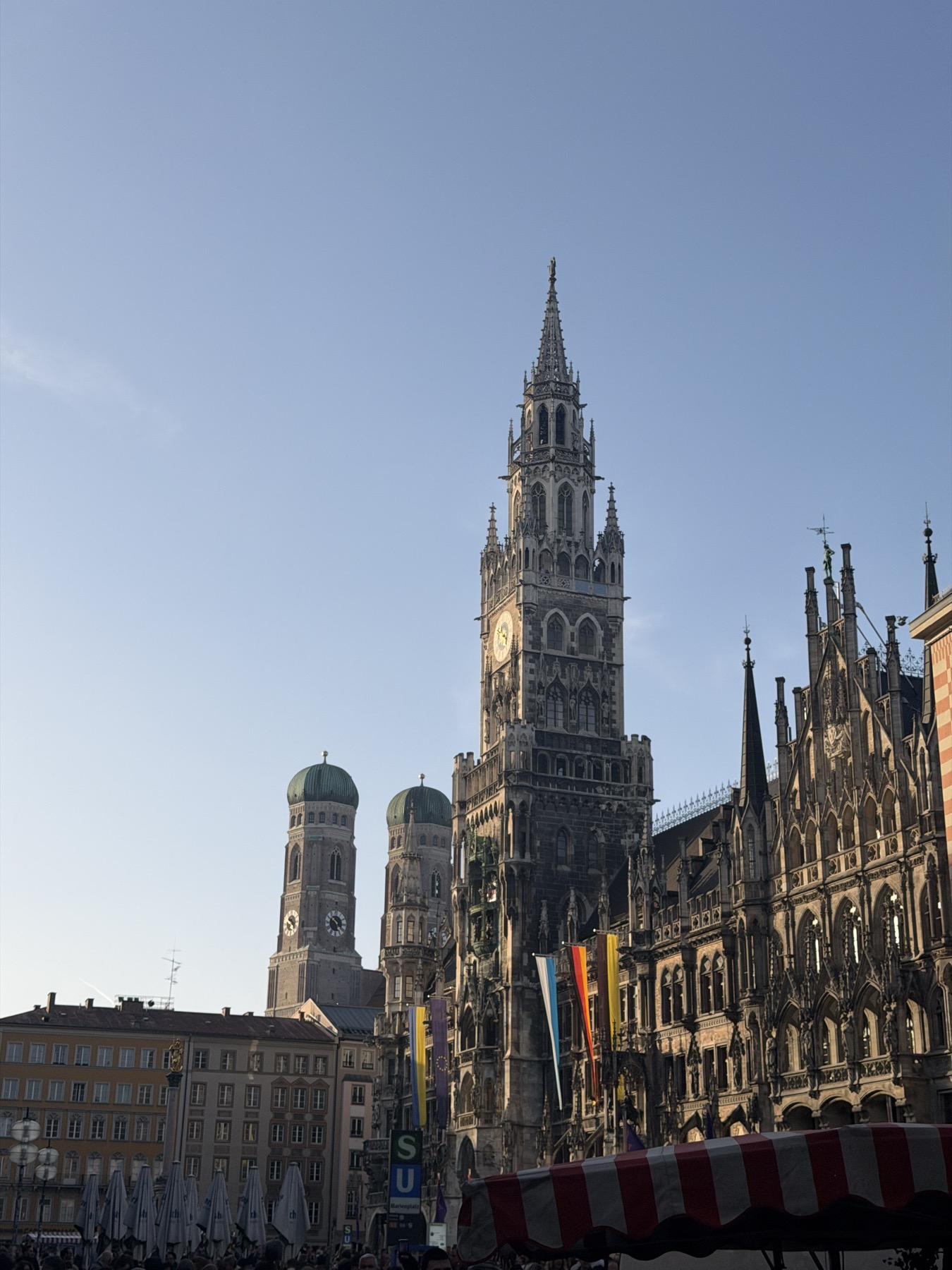
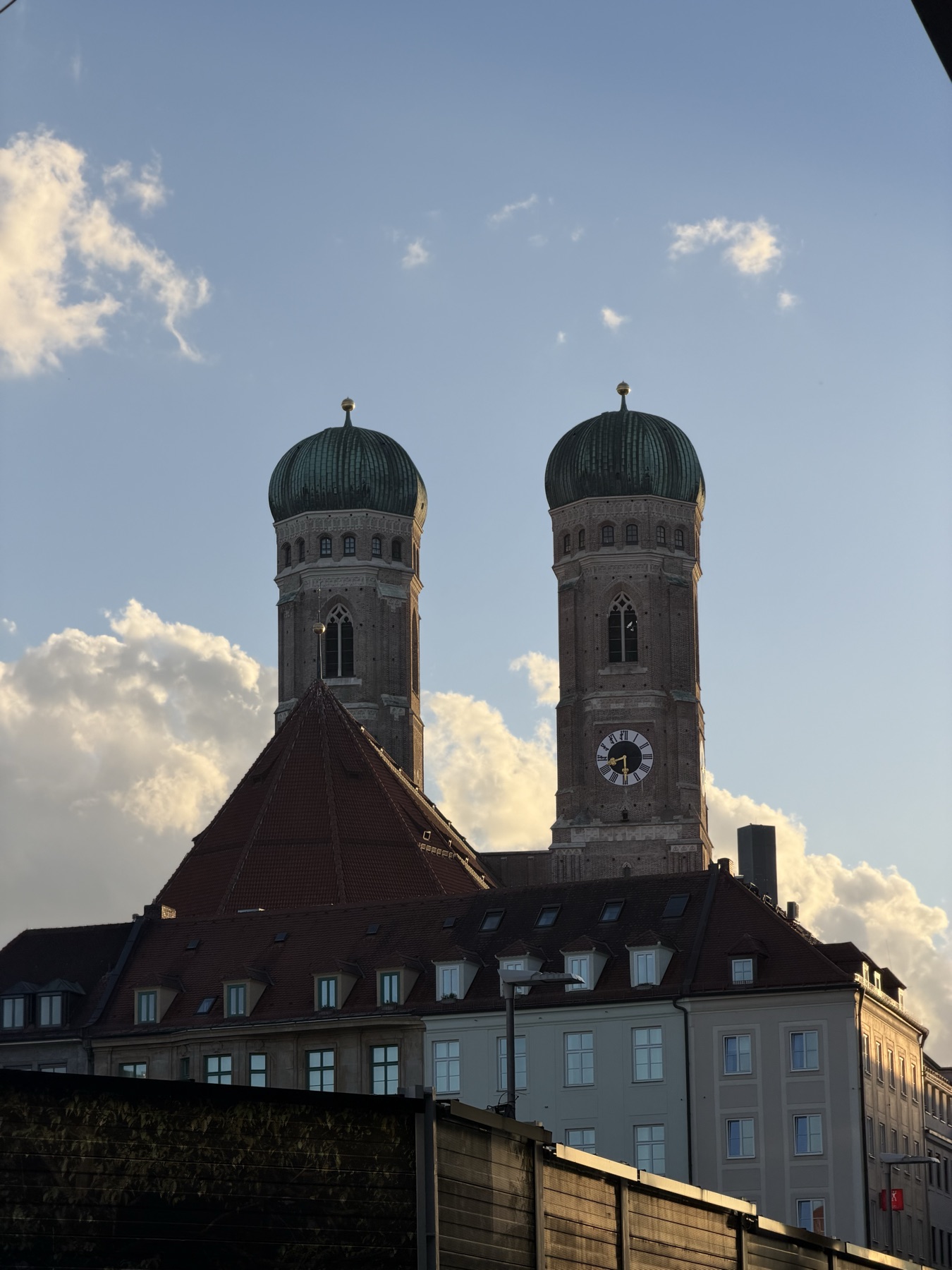
The Neues Rathaus and its Glockenspiel, then climb the Frauenkirche's south tower for the rooftops-and-Alps view before the crowds arrive.
Cut through Herzog & de Meuron's linked courtyards — the hanging garden, the galleries, a slow browse up toward Odeonsplatz.
An hour with Twombly, Warhol and Polke behind the 36,000-rod facade — the sharpest post-1960 collection in the south.
A Maß, an Obatzda and a warm pretzel under the chestnut trees at the Englischer Garten's most famous beer garden.
Watch the wetsuited surfers take the standing wave where the Eisbach enters the park — the city's most improbable spectacle, free and year-round.
Coffee turning to cocktails under the gilded 1937 ceilings of the Haus der Kunst, with a terrace onto the park.
Land in the Glockenbach as it fills — a spritz at Aroma, the corner tables spilling onto the pavement, the light at its best.
New-Bavarian small plates and a Franconian wine around the round square, windows open, the evening in no hurry.
End on the Funktion-One floor of Blitz on the Museumsinsel — phones away, lights low, out well past sunrise if the night earns it.
Four addresses that capture different sides of Munich — the grand dame, the classical maximalist, the Asian-luxury jewel-box and the modern outsider with the best garden view in town.
Munich's grand dame since 1841 — Falk family ownership across five generations, a rooftop Blue Spa with city views, the Night Club bar and a Volkstheater to itself.
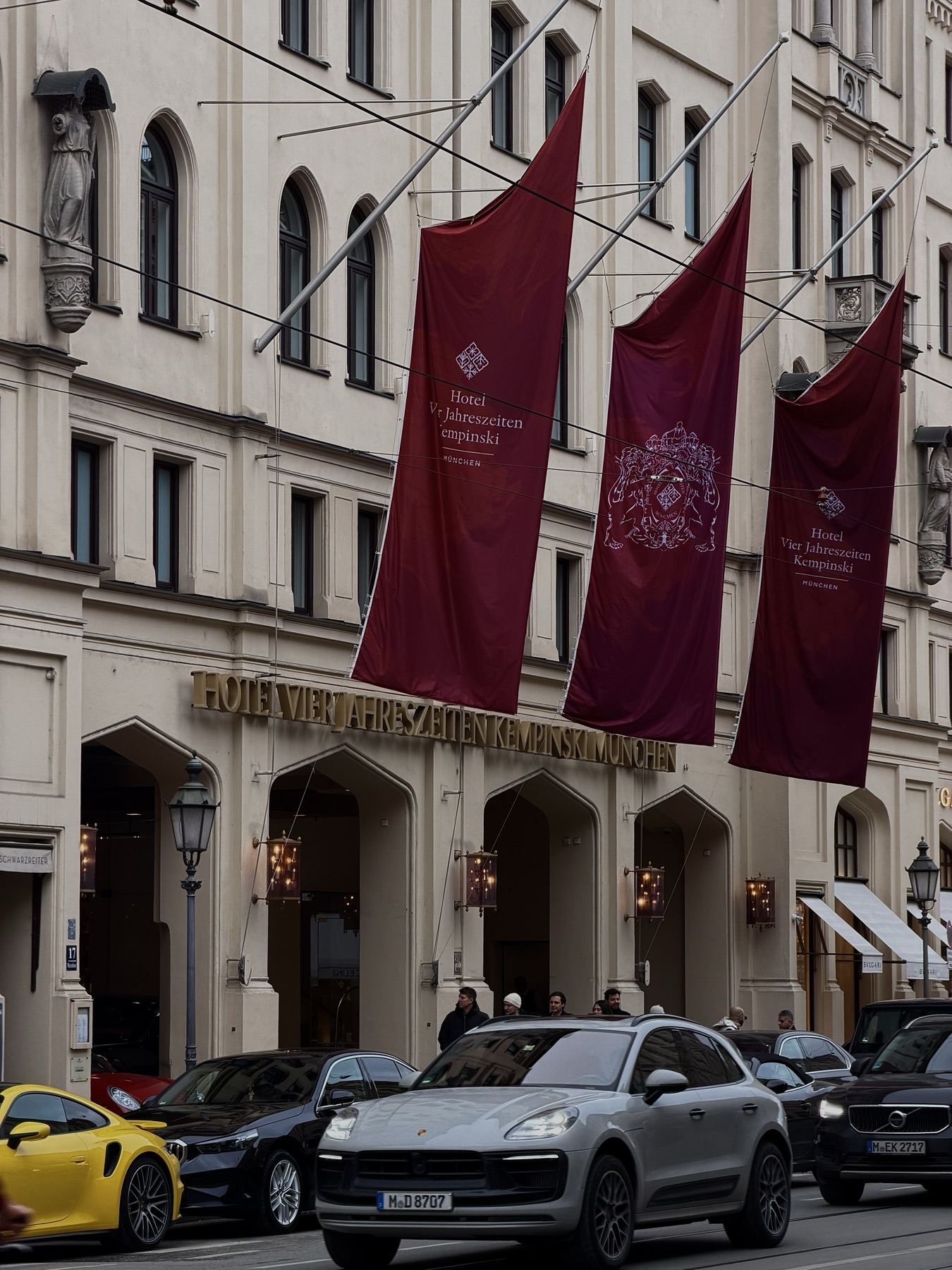
Munich's classical address since 1858 — French neo-Renaissance facade on the Maximilianstraße, the Schwarzreiter restaurant, and a top-floor pool with rooftops to the Alps.
A 73-room jewel box behind a baroque facade two minutes from the Marienplatz. The rooftop pool stops conversation — old Munich, quietly polished by Asian luxury.
Olga Polizzi's interior, looking onto the Alter Botanischer Garten — newer money, more relaxed energy than the Bayerischer Hof, and the city's best hotel garden view.
Not one of the four featured? Tell us where you'd like to stay — Hotel Königshof, The Flushing Meadows, Sofitel Munich Bayerpost, Louis Hotel, or any other address — and we'll arrange the reservation for you.
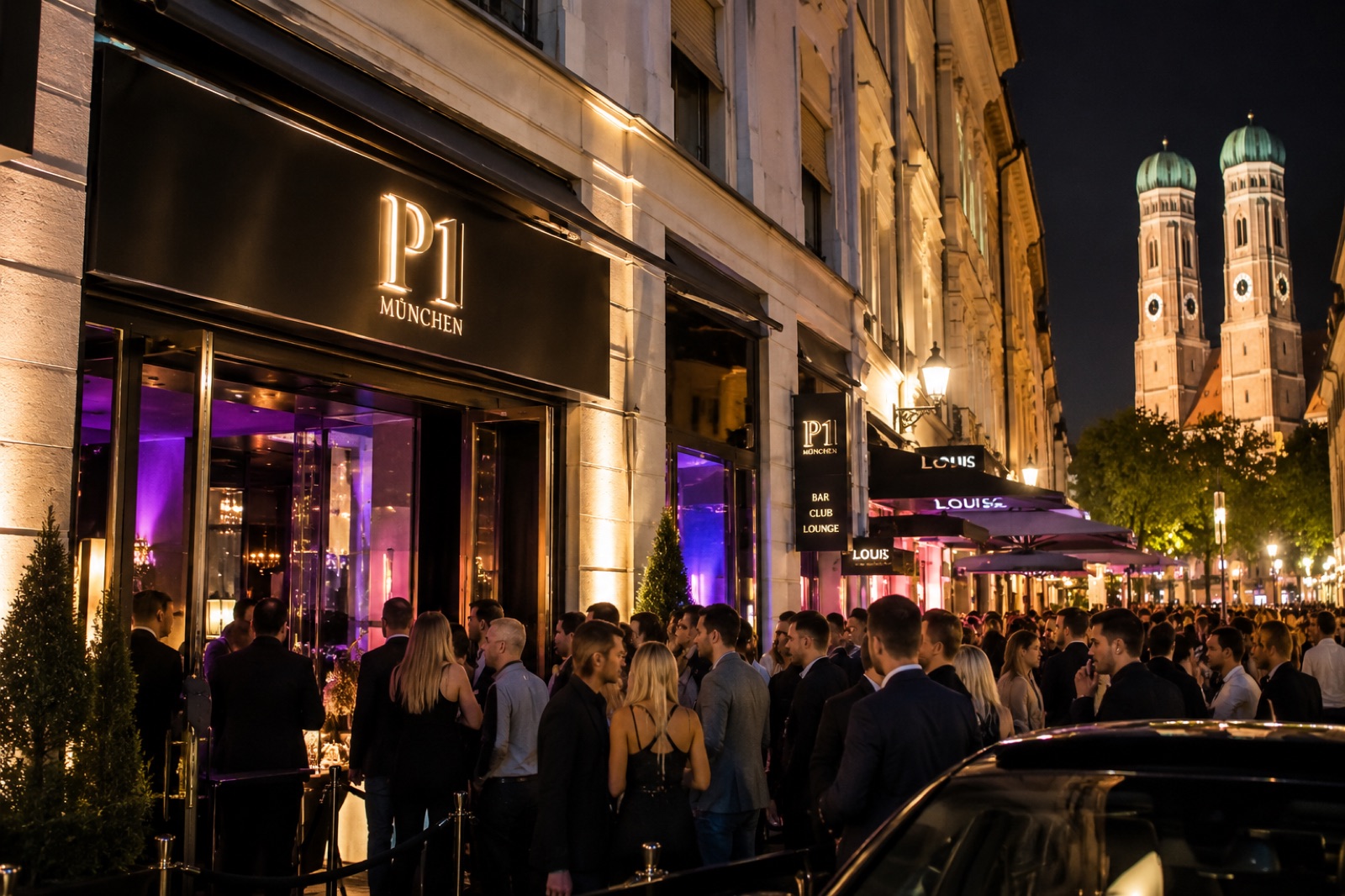
Munich's nightlife is small and serious — a few rooms with very strong taste, very strong door, and one of the better techno scenes in southern Germany.
Inside the Museumsinsel since 2017 — one of Europe's best Funktion-One installations, no cameras at the door, vegan kitchen and a yoga studio by day. Munich's serious room.
Munich's longest-running techno spot — a basement on the Sonnenstraße, audiovisual residencies and a deliberate booking policy on female and queer line-ups.
Off-kilter programming in a small two-room space at Maximiliansplatz — disco edits, post-punk, leftfield techno. The art-school side of Munich's nightlife.
A container city built around a former tram on the Schlachthof — a sprawling open-air venue with art installations, electronic line-ups and Munich's most unfiltered crowd.
Five generations of the Falk family have owned the Bayerischer Hof since the 1890s — a rarity in modern hospitality, and the reason the hotel still feels like a private house run at scale. 337 rooms across an entire block on the Promenadeplatz, no two of them quite the same.
The Blue Spa designed by Andrée Putman sits on the rooftop with Frauenkirche views. The Night Club downstairs has hosted Tony Bennett and Buena Vista Social Club. There's a Volkstheater inside. There are four restaurants. There is a tea salon Garbo apparently liked.
If Munich has a hotel that feels like Munich itself, it is this one.
Send a non-binding enquiry. We forward it directly to the hotel's reservations desk and reply within 24 hours.
Commissioned by King Maximilian II in 1858 as part of his grand boulevard, the Vier Jahreszeiten is built into the same French neo-Renaissance facade he ordered for the rest of the street. Three different doorways open into one hotel — a quirk that's never been corrected.
The Schwarzreiter restaurant carries Michelin recognition. The top-floor pool faces south, with rooftops to the Alps on a clear day. The Falk's Bar serves the city's most uncompromising negroni.
Where the Bayerischer Hof feels like a household, the Kempinski feels like a state institution — calmer, more upholstered, more diplomatically composed.
Send a non-binding enquiry. We forward it directly to the hotel's reservations desk and reply within 24 hours.
Two minutes from the Marienplatz, in a 1880s neo-Renaissance corner building that used to be a ballroom, the Mandarin Oriental opened in 2000 as the city's first hotel in the modern Asian-luxury tradition. Seventy-three rooms — small for a Munich five-star, deliberately so.
The rooftop pool sits in a glass house above the Old Town with the Frauenkirche towers in eye-line — one of the most photographed amenities in any European hotel. Matsuhisa Munich on the eighth floor is the city's only Nobu address.
Old Munich, quietly polished by Hong Kong sensibility.
Send a non-binding enquiry. We forward it directly to the hotel's reservations desk and reply within 24 hours.
When the Charles opened in 2007 it was the first new luxury build in central Munich in decades — a modern limestone block by Florian Fischer on the western edge of the Old Town, looking onto the Alter Botanischer Garten. Olga Polizzi's interiors are quieter and warmer than the city's grand-historical players.
The 15-metre pool on the lower level is the city's longest hotel pool. Sophia's, the ground-floor restaurant, opens onto the garden in summer. Service is unfussy in the very specific Rocco Forte way.
Newer money, more relaxed energy than the Bayerischer Hof — and the most generous green view of any luxury room in Munich.
Send a non-binding enquiry. We forward it directly to the hotel's reservations desk and reply within 24 hours.
One of the first proper specialty coffee bars in Munich — single origin pours, a small plate menu, and the Glockenbach crowd flowing through from morning to early evening.
Come for the espresso, stay for the room. Aroma has anchored the Glockenbach's café culture for years — a mixed crowd of designers, students and long-lunchers, a compact menu that changes with the season, and a terrace that catches the afternoon sun. Go mid-morning on a weekday for a table.
View on Google Maps →Inside the Haus der Kunst — a 1937 saloon plated in 23-karat gold leaf, a terrace facing the Englischer Garten, and one of the better cocktail menus in town.
The setting does half the work: gilded 1937 murals, tall windows onto the Englischer Garten, and a long bar that turns from afternoon coffee to serious cocktails after dark. In summer the terrace is one of the best seats in the city.
View on Google Maps →A standing river wave at the southern edge of the Englischer Garten — surfed year-round by Munich locals in wetsuits, watched by everyone else from the bridge.
The Eisbachwelle is a permanent, chest-high standing wave where the Eisbach enters the park — surfed since the 1970s, legalised in 2010, busy in every season. You don't need to surf to enjoy it: locals line the bridge to watch the queue take turns, day and night.
View on Google Maps →Sauerbruch Hutton's striped facade, 36,000 ceramic rods, and the most rigorous post-1960 collection in southern Germany — Twombly, Warhol, Polke, on permanent view.
Behind the 36,000-rod polychrome skin is one of Europe's sharpest collections of art after 1960. The Cy Twombly rooms are the reason many people come — purpose-built, top-lit galleries — but the rotating hang of Warhol, Polke and newer names rewards repeat visits. Quiet on weekday afternoons.
View on Google Maps →A two-room kitchen at the Viktualienmarkt that has been frying the same four pastries since 1973. Order an Auszogne and a Filterkaffee, sit at a stranger's table.
Officially Café Frischhut, known to everyone as the Schmalznudel: a tiny corner by the Viktualienmarkt frying four kinds of lard pastry since 1973. Order the Auszogne — thin in the middle, crisp at the edge — with a filter coffee, and expect to share a table. Cash, mornings, no fuss.
View on Google Maps →Herzog & de Meuron's quiet masterpiece in the old centre — five connected courtyards with bronze passageways, hanging gardens and shops you'll want to walk slowly past.
The Fünf Höfe thread five courtyards and passages through a whole block of the Altstadt — Herzog & de Meuron's 2003 reworking of an old bank quarter. Come for the hanging garden and the light, stay for the bookshops and galleries; it's as much a shortcut and a shelter from the rain as a place to shop.
View on Google Maps →Maxvorstadt for art, Glockenbachviertel for nightlife, Schwabing for the long Sunday, Lehel for understated old money, Haidhausen for the perfect breakfast. A practical, opinionated walk across the city in eight stops.
The full guide walks each district in turn: where to start your morning, which streets reward a slow wander, and the one café, bar or bench that makes each neighbourhood click. Less a checklist than a way of reading the city — built for a long weekend, or a second visit that goes deeper than the centre.
From Frei Otto's Olympic roof to Herzog & de Meuron's Allianz Arena — how postwar Munich quietly built the most consistently good architecture in Germany.
The argument runs from Theodor Fischer and the Deutscher Werkbund through Frei Otto's Olympic tent roof to today's museum quarter. Munich rarely shouts about its buildings, but the through-line — restraint, craft, daylight — is remarkably consistent. A reading list and a walking route are included.
Schweinshaxe is only the beginning. A guide to the new Bavarian — Tantris, Mural, Werneckhof — and to the small kitchens that never made the headlines.
Beyond the pork knuckle: how a new generation of Munich kitchens is rewriting Bavarian cooking — lighter, more seasonal, still rooted in the region — alongside the market stalls, bakeries and beer gardens that never needed reinventing. With a short list of tables worth booking.
Blitz, Harry Klein, Rote Sonne, Bahnwärter Thiel. A short list of where to actually listen, with an honest take on what each room sounds like.
A small, honest map of where Munich actually dances: what each room sounds like, when to arrive, and how strict the door really is. Not a ranking — a set of doors worth trying, from the Funktion-One rigour of Blitz to the open-air sprawl of Bahnwärter Thiel.