Japan · Kantō · City Guide
Tokyo
Where centuries-old shrines sit beside neon canyons — a city of small streets, sharp design and unmatched depth.
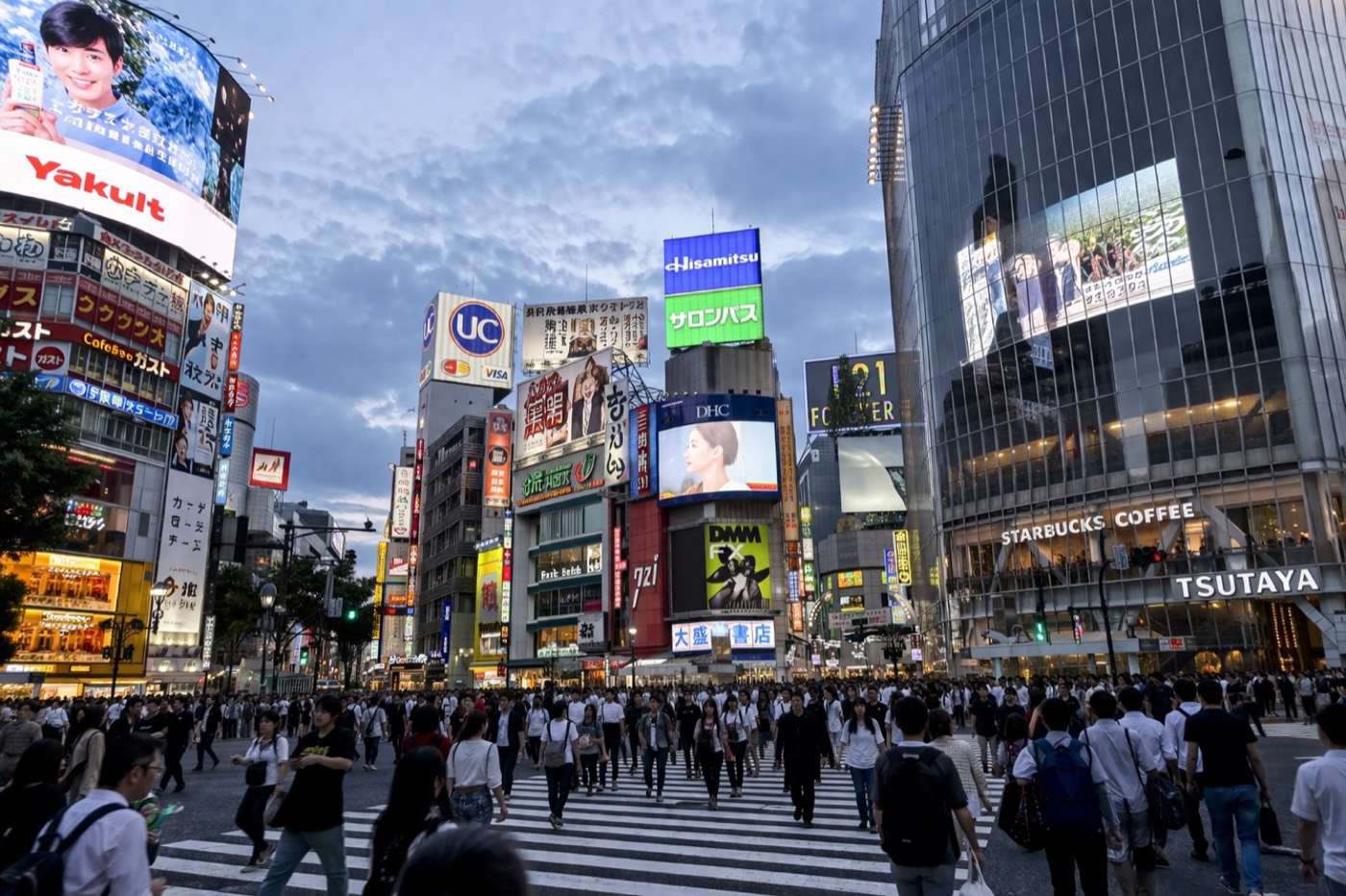
Where centuries-old shrines sit beside neon canyons — a city of small streets, sharp design and unmatched depth.
Discover Tokyo beyond the tourist trail — hidden cafés, secret corners, local favourites and unforgettable spots waiting to be explored.
Six narrow alleys in the heart of Shinjuku, lined with over 200 tiny postwar bars — most fit fewer than ten guests. Smoky, theatrical, deeply local.
A 170-metre shōtengai street in old-town Tokyo, untouched by war and bubble economy alike. Crafts, sweets, ramen and stray cats — a slower city, still here.
Klein Dytham's three pavilions of perforated white concrete — Tsutaya's flagship bookstore, paired with Anjin lounge and a quietly perfect garden.
Behind Kengo Kuma's bamboo-screened museum lies one of Tokyo's most refined private gardens — moss, stone lanterns, tea houses, almost no one else.
Norwegian coffee in a 1960s Tokyo storefront — Aeropress and Hario by day, low-lit cocktails by night, and a backstreet Tomigaya crowd all day.
A modern wagashi parlour and tea salon in Ginza, designed by Shinichiro Ogata. Seasonal sweets, single-origin teas — half ritual, half quiet luxury.
Tokyo is not one city but a federation of neighbourhoods — each with its own pace, its own rules and its own definition of cool. These are the pieces that help decode it.
Shibuya for energy, Daikanyama for design, Yanaka for old Tokyo, Toranomon for new ambition, Tomigaya for breakfast. A practical, opinionated walk through the city in nine stops — where to eat, where to slow down and where to disappear into the crowd.
Read moreFrom the chapel of light to the new Aoyama project — how one architect taught Tokyo to listen.
A field guide to Tokyo's drinking-and-eating houses — what to order, how long to stay, and why the best ones never need a sign.
Beyond the headline rooms — Vent, Contact, Mitsuki — a longer take on the city's most uncompromising sound systems and the people behind them.
Four houses that capture the Tokyo we love — from the city in the sky to the ryokan on the imperial moat. Every one of them stands for a different idea of what a Tokyo hotel can be.
Aman's first urban resort. The top six floors of the Otemachi Tower — a 30-metre lobby in stone, washi and water, with one of the great city views from the 33rd-floor onsen.
Aman's playful younger sister, opened in 2024 inside Heatherwick's Azabudai Hills — eight restaurants, a 4,000 sqm wellness floor and a much more sociable spirit.
The Lost in Translation hotel. Kenzo Tange's Shinjuku tower from 1994 reopened in 2024 fully restored — New York Bar, library, the city laid out fifty floors below.
A vertical ryokan in the financial district — kimono-clad staff, tatami floors, a rooftop onsen open to the sky. Tradition rebuilt as a 17-storey tower.
Tokyo's club culture is small, serious and unusually tasteful — house, techno, and a deep underground that prizes sound over spectacle.
Four floors deep in Maruyamachō — a giant mirror ball, a Funktion-One stack, and a residency book that reads like a history of late-90s Tokyo techno.
Hidden under Aoyama in a glass-and-concrete bunker by Studio Anettai. No cameras, no photos — just one of the cleanest soundsystems in Asia.
A members-and-friends room in a basement parking lot. Two floors, intimate scale, and a programme that rotates between Tokyo locals and travelling heavyweights.
Tokyo's biggest club — five rooms, a cinema-grade sound system and a party crowd that runs until first trains. The popular, loud counterweight to Vent's discipline.